Water damage can turn a comfortable home into a stressful environment in a matter of hours. Whether caused by a leak, flood, or appliance failure, the aftermath often includes soaked materials, lingering moisture, and potential health risks. The key to recovery lies in understanding the water damage cleanup process and acting quickly. Each step plays a vital role in restoring your space and preventing long term damage.
What Is the Water Damage Cleanup Process
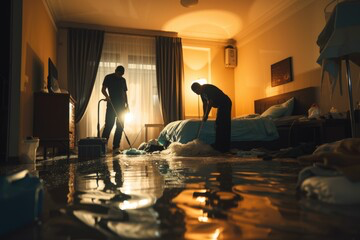
Water Damage Cleanup Salt Lake City process is a structured approach to removing water, drying affected areas, cleaning contaminants, and restoring damaged materials. It focuses on both visible and hidden moisture to ensure complete recovery.
This process is essential because water can seep into walls, floors, and furniture, causing damage that may not be immediately visible. Proper cleanup helps prevent mold growth, structural issues, and ongoing deterioration.
Initial Inspection and Damage Assessment
The first step in the cleanup process is a thorough inspection of the affected area. This involves identifying the source of the water and determining how far the damage has spread.
During this stage, the type of water is also evaluated. Clean water, gray water, and contaminated water require different levels of treatment. Understanding the severity of the situation helps create an effective cleanup plan.
A detailed assessment ensures that no areas are overlooked and that the process begins with a clear strategy.
Stopping the Water Source
Before cleanup can begin, the source of the water must be stopped. This may involve shutting off the main water supply, repairing a leak, or addressing drainage issues.
Stopping the source is critical because continued water flow will only worsen the damage. Once the source is controlled, the cleanup process can proceed without interruption.
This step helps contain the problem and prevents further spread of moisture.
Water Removal and Extraction
Water removal is one of the most important steps in the process. Standing water must be extracted quickly to minimize damage to materials and structures.
Specialized equipment is often used to remove large amounts of water efficiently. This step focuses on eliminating visible water from floors, carpets, and other surfaces.
Quick extraction reduces the amount of moisture that can penetrate deeper into materials, making the rest of the cleanup process more effective.
Drying and Dehumidification
After water is removed, drying becomes the main priority. Moisture can remain trapped in walls, flooring, and furniture even when surfaces appear dry.
Air circulation and dehumidification are used to remove this hidden moisture. Proper drying ensures that materials return to their normal condition and prevents further damage.
This stage may take time, depending on the extent of the damage. Thorough drying is essential to avoid long term issues such as mold growth.
Cleaning and Sanitizing
Water damage often introduces contaminants into the affected area. Cleaning and sanitizing are necessary to restore a safe and healthy environment.
Surfaces are treated to remove bacteria, dirt, and odors. This step is especially important if the water source was contaminated.
Sanitizing also helps eliminate any lingering smells, leaving the space fresh and clean.
Removing Damaged Materials
In some cases, certain materials may be too damaged to restore. Removing these items is necessary to prevent further issues and prepare the area for repairs.
This can include drywall, insulation, carpeting, or other materials that have absorbed excessive moisture. Removing damaged components helps ensure that the cleanup process is thorough.
This step also makes it easier to address hidden moisture and prevent mold growth.
Repair and Restoration
Once the area is clean and dry, the restoration phase begins. This involves repairing or replacing damaged materials to bring the space back to its original condition.
Repairs may include installing new drywall, replacing flooring, or refinishing surfaces. The goal is to restore both functionality and appearance.
Careful attention during this stage ensures that the results are durable and long lasting.
Final Inspection and Monitoring
The final step in the water damage cleanup process is inspection and monitoring. This ensures that all moisture has been removed and that the area is safe.
Checking for any remaining dampness or damage helps confirm that the cleanup was successful. Monitoring may continue for a short period to ensure that no issues return.
This step provides peace of mind and ensures that the restoration is complete.
Why Acting Quickly Is Essential
Time is a critical factor in water damage cleanup. The longer water remains, the more damage it can cause to materials and structures.
Mold can begin to develop quickly in damp conditions. Acting fast helps reduce this risk and limits the spread of damage.
Quick cleanup also reduces overall repair costs by preventing minor issues from becoming major problems. Speed and efficiency are key to a successful recovery.
Conclusion
The water damage cleanup process is a comprehensive approach to restoring your home after water intrusion. From initial assessment to final restoration, each step plays a crucial role in ensuring a safe and effective recovery.
Understanding the process allows you to respond quickly and make informed decisions during a stressful situation. Proper cleanup not only restores your home but also protects it from future issues.
With the right approach, water damage can be managed effectively, allowing you to regain comfort and confidence in your living space.