Water Damage Cleanup Process: Step by Step Guide to Restore Your Home

Water damage can turn a comfortable home into a stressful environment in a matter of hours. Whether caused by a leak, flood, or appliance failure, the aftermath often includes soaked materials, lingering moisture, and potential health risks. The key to recovery lies in understanding the water damage cleanup process and acting quickly. Each step plays a vital role in restoring your space and preventing long term damage.

What Is the Water Damage Cleanup Process
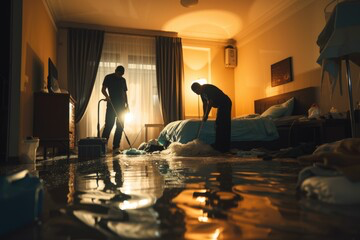
Water Damage Cleanup

Water Damage Cleanup Salt Lake City process is a structured approach to removing water, drying affected areas, cleaning contaminants, and restoring damaged materials. It focuses on both visible and hidden moisture to ensure complete recovery.

This process is essential because water can seep into walls, floors, and furniture, causing damage that may not be immediately visible. Proper cleanup helps prevent mold growth, structural issues, and ongoing deterioration.

Initial Inspection and Damage Assessment

The first step in the cleanup process is a thorough inspection of the affected area. This involves identifying the source of the water and determining how far the damage has spread.

During this stage, the type of water is also evaluated. Clean water, gray water, and contaminated water require different levels of treatment. Understanding the severity of the situation helps create an effective cleanup plan.

A detailed assessment ensures that no areas are overlooked and that the process begins with a clear strategy.

Stopping the Water Source

Before cleanup can begin, the source of the water must be stopped. This may involve shutting off the main water supply, repairing a leak, or addressing drainage issues.

Stopping the source is critical because continued water flow will only worsen the damage. Once the source is controlled, the cleanup process can proceed without interruption.

This step helps contain the problem and prevents further spread of moisture.

Water Removal and Extraction

Water removal is one of the most important steps in the process. Standing water must be extracted quickly to minimize damage to materials and structures.

Specialized equipment is often used to remove large amounts of water efficiently. This step focuses on eliminating visible water from floors, carpets, and other surfaces.

Quick extraction reduces the amount of moisture that can penetrate deeper into materials, making the rest of the cleanup process more effective.

Drying and Dehumidification

After water is removed, drying becomes the main priority. Moisture can remain trapped in walls, flooring, and furniture even when surfaces appear dry.

Air circulation and dehumidification are used to remove this hidden moisture. Proper drying ensures that materials return to their normal condition and prevents further damage.

This stage may take time, depending on the extent of the damage. Thorough drying is essential to avoid long term issues such as mold growth.

Cleaning and Sanitizing

Water damage often introduces contaminants into the affected area. Cleaning and sanitizing are necessary to restore a safe and healthy environment.

Surfaces are treated to remove bacteria, dirt, and odors. This step is especially important if the water source was contaminated.

Sanitizing also helps eliminate any lingering smells, leaving the space fresh and clean.

Removing Damaged Materials

In some cases, certain materials may be too damaged to restore. Removing these items is necessary to prevent further issues and prepare the area for repairs.

This can include drywall, insulation, carpeting, or other materials that have absorbed excessive moisture. Removing damaged components helps ensure that the cleanup process is thorough.

This step also makes it easier to address hidden moisture and prevent mold growth.

Repair and Restoration

Once the area is clean and dry, the restoration phase begins. This involves repairing or replacing damaged materials to bring the space back to its original condition.

Repairs may include installing new drywall, replacing flooring, or refinishing surfaces. The goal is to restore both functionality and appearance.

Careful attention during this stage ensures that the results are durable and long lasting.

Final Inspection and Monitoring

The final step in the water damage cleanup process is inspection and monitoring. This ensures that all moisture has been removed and that the area is safe.

Checking for any remaining dampness or damage helps confirm that the cleanup was successful. Monitoring may continue for a short period to ensure that no issues return.

This step provides peace of mind and ensures that the restoration is complete.

Why Acting Quickly Is Essential

Time is a critical factor in water damage cleanup. The longer water remains, the more damage it can cause to materials and structures.

Mold can begin to develop quickly in damp conditions. Acting fast helps reduce this risk and limits the spread of damage.

Quick cleanup also reduces overall repair costs by preventing minor issues from becoming major problems. Speed and efficiency are key to a successful recovery.

Conclusion

The water damage cleanup process is a comprehensive approach to restoring your home after water intrusion. From initial assessment to final restoration, each step plays a crucial role in ensuring a safe and effective recovery.

Understanding the process allows you to respond quickly and make informed decisions during a stressful situation. Proper cleanup not only restores your home but also protects it from future issues.

With the right approach, water damage can be managed effectively, allowing you to regain comfort and confidence in your living space.

Health Issues of the Pomsky

Like a fluffier, smaller Siberian Husky in a puppy’s body, Pomsky has the smarts and energy of both breeds. They are loyal companions who thrive on attention and exercise, especially with kids.

Pomsky

However, as popularity rises for this cross breed, reputable breeders must remain vigilant to avoid breeding genetically diseased dogs. DNA tests can help breeders screen for disease-causing genes and ensure puppies are healthy.

The Pomsky is a designer dog that is the result of crossing the Siberian Husky and Pomeranian breeds. The resulting crossbreeds can vary in appearance, depending on which parent breed’s genes are more dominant. However, they all share some key traits, including their unique appearance and spirited personality.

The pomsky first entered the spotlight in 2011 when Buzzfeed published an article suggesting that a Pomeranian and Siberian Husky hybrid would be “the cutest designer dog ever.” This was a fake article, designed to go viral, but it helped spark interest in pomskies. However, the concept behind this new breed wasn’t a fad—breeders had been working to create dogs that combined the striking features of the Siberian Husky with the small size and charm of the Pomeranian.

One of the first things people notice about a pomsky is its appearance. These dogs often look like miniature Huskies, with their piercing blue eyes and distinctive markings. They have a double coat that can be long or short, and it’s important to brush it regularly to maintain its fluffy appearance. They also have a “strangely familiar” scent that can make them appear more aloof than other dogs.

While they’re not recognized by major kennel clubs, these dogs are quickly gaining popularity due to their spirited personalities and unique looks. They can be playful, affectionate, and energetic, making them perfect companions for active families. They also get along well with other dogs and are great at adjusting to new environments.

Pomskies are smart, adaptable, and incredibly playful, which makes them an excellent choice for owners who want a small dog with big energy. They’re usually a little shy at first, but they warm up to their owners and love spending time with them. They enjoy playing games and can be good at puzzle toys. They can sometimes become anxious when left alone for too long, which can lead to destructive behavior like chewing on furniture.

The pomsky’s personality is a mix of the spirited energy of the Siberian Husky and the devotedness of the Pomeranian. This combination of characteristics creates a dog that is a loyal and steadfast companion.

Health

As with all dogs, Pomskies have certain health issues that you should be aware of. Although they are relatively new as an experimented breed in the early 2010’s, this does not mean that they are immune to any problems. Being aware of these potential issues will help you to keep your pooch in top shape throughout their life.

Due to their genetic makeup, pomskies may be prone to heart conditions such as Aortic Stenosis and Mitral Valve Disease. These are hereditary diseases that can cause the valves to thicken, leading to a decrease in blood flow. Keeping an eye out for signs of heart problems, such as loss of appetite, fatigue, coughing, restlessness, a rapid or super slow heartbeat, or a tongue that is bluish in color, can help you catch any issues and get your pup the medical treatment they need.

A pomsky is also prone to environmental allergies that can result in itchy and irritated skin, watery eyes or nose, and other respiratory symptoms. Regularly bathing your dog, examining and trimming their nails and using an anti-parasite medication, such as Stronghold or Advantix, can help manage these allergy-related problems.

Like any other dog, pomskies will require regular vet visits and preventive care to ensure they live a long, happy and fulfilling life. Ensure they are up-to-date on their vaccinations and check that they have a healthy weight, to reduce the risk of diseases and injuries that can be caused by obesity.

Before deciding to purchase a Pomsky, you should visit several breeders and ask about their health testing program. It is important to choose a breeder who has a good track record of producing healthy puppies and who is reputable in the industry. Additionally, you should speak with previous buyers to learn more about the health of their pomsky and how they have performed in their homes.

Pomskies are very active dogs that will burn a lot of energy, so they will need to eat a high-quality, well-balanced diet that is suitable for their size and activity level. Ask your vet about the best food options for your pomsky and discuss any additional supplements they may need to stay healthy.

Training

The Pomsky is a clever breed, and it responds well to training. However, this is an energetic dog that needs a lot of exercise to burn off its energy. This can include multiple walks, playtime at the dog park, weekend hikes, swimming sessions, or running laps around your backyard. It’s also important to provide mental stimulation, such as teaching your pomsky progressively difficult tricks.

Having a solid obedience routine is crucial for this breed to become a well-mannered and enjoyable family pet. It will take consistent training with clear set expectations to help your pomsky understand the rules of the house and become an integral part of the household. Using positive reinforcement with your pomsky while they are young (at least 8 weeks old) will teach them to listen to you and follow instructions. However, if you react to your pomsky after they misbehave, they will learn that misbehaving gets them attention and rewards.

It’s essential that you establish yourself as the pack leader early on with your pomsky. This will prevent them from becoming overly engrossed with other things in the environment. It will also teach them to respect you and follow you instead of trying to run the show themselves.

When you have a pomsky with you outside at the dog park or beach always keep them on a leash. This will prevent them from running away and leaving you behind. It will also be easier for you to catch them when they do their business.

One way to train your pomsky to stay engaged with you is to use the calm freeze technique. This will get their breathing rate down, calm them down and stop them from getting into an overly excited or aggressive state of mind.

When crate training your pomsky, make sure to give them treats if they go into their crate and don’t let them out until they are quiet. You do not want them to learn that crying and holwing gets them out of their crate. It’s also important to crate your pomsky when they are at home to avoid accidents and destructive behavior such as chewing up the carpet.

Care

Although Pomskies are not considered a high-risk breed, they may experience health problems that require veterinary intervention. These can include allergies and other conditions that affect their skin or ears. If you notice any signs of a potential problem, make an appointment with a vet as soon as possible. This will help you catch these issues early and prevent complications down the road.

Like other dog breeds, Pomskies need to be fed a quality diet formulated for their size and activity level. A veterinarian will be able to provide you with a recommended daily feeding amount. However, it is important to note that this is only a starting point, as each dog is different and has unique needs.

A veterinarian can also recommend supplements to address any specific issues that your pet may have. If you notice any signs that your Pomsky is ill, contact your vet immediately. This will allow them to diagnose the issue and find the right treatment.

Pomskies can get along well with children and other pets, provided they are properly socialized from a young age. They are playful and can entertain kids for hours with their silly antics. However, they will need a lot of exercise to burn off their energy. If your Pomsky is not receiving enough physical and mental stimulation, they can become bored or destructive.

A Pomsky can grow to be up to 30 pounds when full-grown. They shed a lot, so you will need to brush them daily to avoid a mess in your home. You will also need to have a regular grooming routine, including bathing sessions and monthly nail trimmings. A dry shampoo is an excellent choice for grooming your Pomsky because it provides a quick and easy way to clean their thick coat without making them uncomfortable.

It is important to choose a reputable breeder who follows ethical breeding practices when raising Pomskies. Albera notes that with the Siberian husky’s natural instinct to chase small critters, it is critical that Pomsky puppies are raised in a large fenced-in backyard and are kept on a leash when outside to ensure they don’t pursue smaller animals.