Cabinet Refinishing Guide: How to Transform Your Kitchen and Storage Spaces

Walk into a kitchen and one of the first things you notice is the cabinetry. Cabinets occupy a large portion of the visual space in kitchens, bathrooms, and storage areas, which means their appearance strongly influences how the entire room feels. Over time cabinets can become worn, scratched, or outdated in color and style. Many homeowners assume the only solution is a full replacement, but that is not always necessary. Cabinet Refinishing Sacramento offers a practical and cost effective way to restore cabinets and give them a completely refreshed look without replacing them entirely.

What Cabinet Refinishing Means
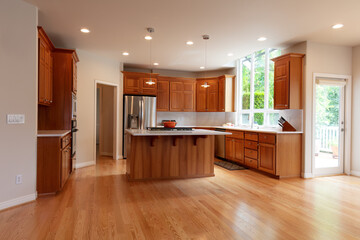
Cabinet Refinishing

Cabinet refinishing is the process of restoring the surface of existing cabinets by cleaning, repairing, sanding, and applying new finishes such as stain or paint. Instead of removing the cabinets and installing new ones, refinishing focuses on improving the appearance and condition of the existing cabinet structure.

Most cabinets are built with strong frames that can last for many years. The exterior finish is often the part that becomes outdated or worn. Scratches, fading, and discoloration may occur due to everyday use, exposure to moisture, and frequent cleaning.

Through refinishing, the outer layer of the cabinet is carefully prepared and treated with a new finish that enhances its appearance. The process allows homeowners to update the color, shine, and style of their cabinets while maintaining the original structure.

Cabinet refinishing is commonly used in kitchens, bathrooms, laundry rooms, and other areas where cabinetry plays a major role in design and storage.

Why Homeowners Choose Cabinet Refinishing

Cabinet refinishing has become a popular option for homeowners who want to refresh their living spaces without undergoing a complete renovation. One of the main reasons people choose refinishing is cost efficiency. Replacing cabinets entirely can require significant labor and materials, while refinishing uses the existing cabinet structure.

Another advantage is the reduced disruption during the process. Full cabinet replacement may require removing countertops, disconnecting plumbing, and making structural adjustments. Refinishing focuses primarily on the cabinet surfaces, which allows the project to be completed more quickly.

Cabinet refinishing also provides design flexibility. Homeowners can choose new colors, stains, or finishes that match updated décor and interior styles. This ability to customize the appearance allows cabinets to blend with modern design trends or traditional aesthetics.

Sustainability is another reason refinishing has gained popularity. Reusing existing cabinets reduces the amount of construction waste produced during renovation projects. By restoring cabinets rather than discarding them, homeowners support environmentally responsible practices.

These benefits make cabinet refinishing an appealing option for improving both the look and value of a home.

The Cabinet Refinishing Process

Cabinet refinishing involves several important steps that work together to restore the cabinets and create a smooth new finish. The process begins with careful preparation.

Cabinet doors, drawers, and hardware are typically removed so that every surface can be accessed easily. This step allows refinishing to be performed thoroughly and ensures that the final result appears consistent.

Once the cabinets are disassembled, the surfaces are cleaned to remove grease, dirt, and residue. Kitchens in particular can accumulate cooking oils that must be removed before refinishing begins.

After cleaning, sanding is performed to remove the old finish and create a smooth surface for the new coating. Sanding also helps the new paint or stain adhere properly to the cabinet material.

Any minor imperfections such as scratches or dents are repaired at this stage. Filling and smoothing these areas ensures that the finished cabinets have a polished appearance.

Once preparation is complete, the new finish is applied. This may include staining the wood to highlight its natural grain or applying paint for a completely different color. Multiple layers may be used to achieve the desired depth and durability.

Finally, protective coatings are applied to seal the finish and protect the cabinets from future wear.

Choosing the Right Finish for Cabinets

One of the most exciting parts of cabinet refinishing is selecting the new finish. The finish determines the overall look and style of the cabinets and can dramatically change the atmosphere of a room.

Staining is often used when the cabinet material has a beautiful natural grain. Wood stains enhance the texture of the wood while adding depth and color. This option is popular in homes that emphasize natural materials and traditional design.

Painted cabinets offer a more dramatic transformation. Light colored cabinets can brighten a space and create the appearance of a larger room. Darker tones can add elegance and contrast to modern interiors.

Gloss level is another factor to consider. Some finishes provide a soft matte appearance, while others create a smooth glossy surface that reflects light. The chosen finish should match both the style of the room and the level of maintenance desired.

Choosing the right finish allows homeowners to achieve the desired aesthetic while maintaining the functionality of the cabinets.

Where Cabinet Refinishing Is Most Effective

Cabinet refinishing is most effective when the cabinet structure itself remains strong and stable. Many cabinets are built from durable materials that can last for decades if properly maintained.

Kitchens are the most common location for cabinet refinishing projects. Since cabinets occupy a large portion of the kitchen space, refinishing them can dramatically improve the appearance of the room without replacing major components.

Bathroom cabinets also benefit from refinishing. Updating the cabinet finish can make the entire bathroom feel newer and more coordinated with updated fixtures or décor.

Laundry rooms, home offices, and storage areas may also contain cabinets that can be refinished. Refreshing these cabinets helps maintain a consistent style throughout the home.

By focusing on areas where cabinetry plays a major visual role, refinishing can create noticeable improvements in the overall design of the home.

Benefits of Cabinet Refinishing for Home Value

Cabinet refinishing not only improves the appearance of living spaces but can also enhance the value of a home. Updated cabinetry is often an attractive feature for potential buyers.

Kitchens and bathrooms are among the most important rooms considered during home evaluations. Freshly refinished cabinets can make these spaces feel modern and well maintained.

Refinishing also allows homeowners to update their interiors to reflect current design trends. Neutral colors, clean finishes, and updated hardware can make cabinets appear contemporary and appealing.

Because refinishing is less expensive than replacement, homeowners may achieve significant visual improvement without investing in a full renovation. This balance between cost and impact makes refinishing a valuable home improvement option.

A well executed cabinet refinishing project demonstrates attention to detail and care for the home’s interior.

Maintaining Cabinets After Refinishing

Once cabinets have been refinished, proper maintenance helps preserve their appearance and durability. Regular cleaning removes dust and grease that may accumulate over time.

Using gentle cleaning solutions protects the finish from damage. Harsh chemicals or abrasive materials should be avoided because they can wear down the protective coating.

Spills and moisture should be wiped away promptly, especially in kitchens and bathrooms where humidity levels are higher. Protecting the cabinets from prolonged moisture exposure helps maintain the finish.

Inspecting hardware such as hinges and handles ensures that doors and drawers continue to operate smoothly. Tightening loose hardware prevents unnecessary stress on the cabinet structure.

With proper care, refinished cabinets can maintain their beauty and functionality for many years.

Conclusion: Renewing Your Space Through Cabinet Refinishing

Cabinet refinishing offers an effective way to transform kitchens, bathrooms, and storage areas without the need for complete cabinet replacement. By restoring the existing cabinet surfaces with new finishes, homeowners can achieve a fresh and modern appearance while preserving the original structure.

The refinishing process combines careful preparation, skilled finishing techniques, and thoughtful design choices to create cabinets that look renewed and stylish. Whether updating the color, enhancing natural wood grain, or improving durability, refinishing provides a practical solution for improving interior spaces.

With proper maintenance and attention to detail, refinished cabinets continue to enhance the beauty and functionality of a home for years to come.

The Invisible Power of Momentum in SEO Growth

Every click begins with curiosity. But behind that small action lies a world of algorithms, signals, and strategy. The art of modern SEO is not about tricking systems—it’s about aligning with how people naturally search.

SEO

Search optimization has evolved far beyond keywords. It’s now an ecosystem of human understanding and digital precision. The best strategies speak both to the heart of the reader and the logic of the algorithm. When done right, it becomes the bridge between discovery and trust.

Momentum is the real secret of visibility. Search engines reward consistency, not sudden bursts of effort. Businesses that maintain steady optimization create a rhythm that algorithms recognize as credibility. This rhythm becomes the silent engine behind organic growth.

But SEO is no longer just about rankings—it’s about resonance. People don’t just look for answers anymore; they look for relevance and meaning. The sites that win are those that speak with clarity, empathy, and authority. These values now weigh as much as technical performance.

The future of SEO belongs to those who understand intent. Every search reveals a question, emotion, or goal hidden beneath the words. Decoding that intent allows content to meet users exactly where they are. When relevance aligns with timing, conversion becomes effortless.

Search engines are becoming emotional interpreters. They measure satisfaction through engagement, not just clicks. If users linger, interact, and return, algorithms reward the experience. The signal is simple—value attracts value.

Booking your SEO package today means investing in understanding. It means translating audience behavior into strategies that feel personal yet scalable. Data becomes empathy quantified, guiding every content decision. The more you understand emotion, the better you optimize action.

The invisible part of SEO is timing. It takes weeks, sometimes months, for optimization to mature. Those who delay the start delay the reward. In this digital economy, waiting means disappearing.

Modern optimization requires depth, not volume. Search engines crave context, coherence, and continuity. Long-term visibility comes from strategic storytelling woven through your digital presence. When everything connects, the result feels seamless.

Voice search and conversational AI have changed the rhythm of discovery. People speak their searches the way they think, not the way they type. That subtle shift demands fluid, natural, and intuitive content structures. SEO today is as much about tone as it is about text.

Personalization is the heartbeat of modern ranking. Algorithms now shape results differently for each user. The challenge is crafting content flexible enough to feel individual yet universal. Success lies in anticipating needs before they’re expressed.

Technical SEO remains the skeleton beneath the emotional layers. Speed, structure, and accessibility hold everything together. A slow site can break trust faster than poor content. Optimization must move at the pace of attention.

Mobile responsiveness has redefined visibility. People now interact with content in micro-moments across multiple devices. This fragmentation challenges consistency but rewards adaptability. The key is designing for movement, not for screens.

SEO has become an ongoing conversation between brand and algorithm. Every update, link, or engagement adds a new sentence to that dialogue. Those who respond thoughtfully stay visible. Those who remain static fade into silence.

Backlinks are now more about relationships than transactions. Earning them requires collaboration, credibility, and shared relevance. True authority is built through connection, not convenience. The web thrives on trust as much as it does on traffic.

Analytics has turned SEO into a science of human patterns. Behind every number is a behavior waiting to be understood. Traffic spikes, bounce rates, and session times tell emotional stories. Great marketers listen to the data with empathy, not just precision.

Artificial intelligence has made SEO adaptive. Machine learning interprets not just what users do but why they do it. This deeper analysis allows optimization to evolve in real time. It’s personalization powered by insight.

The most successful strategies today combine intuition and automation. Systems handle volume while humans handle nuance. Together they form an ecosystem where data feels human. This balance defines the premium edge of SEO practice.

Content freshness now influences ranking more than ever. The internet moves at the speed of relevance. What feels current today fades tomorrow unless it evolves. Consistent updates signal vitality and authority to search engines.

Visual optimization is the new frontier. Images, videos, and interactive elements now rank alongside text. Search engines evaluate them based on engagement and context. The screen has become a stage where visuals tell SEO’s emotional story.

Booking your SEO package is like planting digital roots. The earlier it’s done, the stronger it grows. Search visibility compounds over time, creating exponential reach. Those who invest early control the narrative of their niche.

User experience has replaced keywords as the top priority. Navigation, readability, and emotional comfort define success. Algorithms notice when users stay because it feels right. Good design has become an SEO signal of empathy.

Semantic search has blurred the lines between words and meaning. Search engines no longer match phrases—they interpret purpose. This evolution rewards authenticity and coherence over keyword density. Communication now ranks higher than repetition.

Local optimization thrives on proximity and relevance. Search results adapt to geography, intent, and context. Businesses that connect deeply within communities gain organic dominance. The algorithm mirrors human trust at the neighborhood level.

E-A-T—expertise, authoritativeness, and trustworthiness—remains the silent pillar of SEO credibility. It’s no longer enough to be visible; one must also be reliable. Authority is earned through contribution, not claim. The internet now values proof over promise.

Social signals, while indirect, amplify organic reach. Engagement across platforms sends validation cues to search engines. The algorithm interprets activity as popularity, not just promotion. Every share or mention becomes a ranking whisper.

Structured data transforms chaos into clarity. It helps search engines understand meaning rather than just reading text. Metadata becomes the unseen language of optimization. When structure matches substance, visibility improves naturally.

Speed has become the currency of attention. People expect instant results without friction. Even a second of delay can erode trust and lower ranking. Optimization is now as much about performance as it is about persuasion.

Reputation management is part of SEO evolution. Reviews, mentions, and sentiment shape ranking indirectly. Search engines measure credibility by consensus. The digital crowd now curates authority.

Interactive content—quizzes, polls, and dynamic experiences—creates engagement signals algorithms can’t ignore. Every interaction deepens understanding of audience behavior. The more users participate, the stronger the ranking footprint. Engagement is the new backlink.

Consistency defines the success of every strategy. Sporadic optimization confuses search engines and weakens authority. A steady rhythm of updates, analysis, and refinement builds digital endurance. SEO is not a campaign—it’s a discipline.

Predictive analytics will soon shape proactive optimization. Search patterns will be anticipated before they emerge. This predictive intelligence will redefine how visibility is built. SEO will shift from reactive to preemptive.

Emotion-based optimization is the newest layer emerging in search science. Search engines now sense tone and sentiment in content. Positive emotional resonance correlates with higher engagement. The most ranked pages don’t just inform—they connect.

Booking your SEO package today means investing in longevity. Each optimization step creates a foundation that resists digital decay. Unlike ads that vanish after payment, SEO compounds like interest. Its value grows silently until it becomes unstoppable.

The next era of search will integrate human experience fully. Personal stories, transparency, and interactive trust will outweigh metrics. Optimization will mirror empathy, crafting digital experiences that feel alive. Those who understand people will always outsmart the algorithm.

To delay optimization is to surrender visibility. The online world moves fast, but search growth moves slow. Momentum comes only to those who start. Booking your SEO package today secures your digital tomorrow.

SEO is more than a service—it’s an ongoing conversation between relevance and discovery. Every word, link, and design choice adds to your digital voice. In the vast silence of the internet, visibility is not given; it’s earned. The sooner you begin, the louder you’ll be heard.